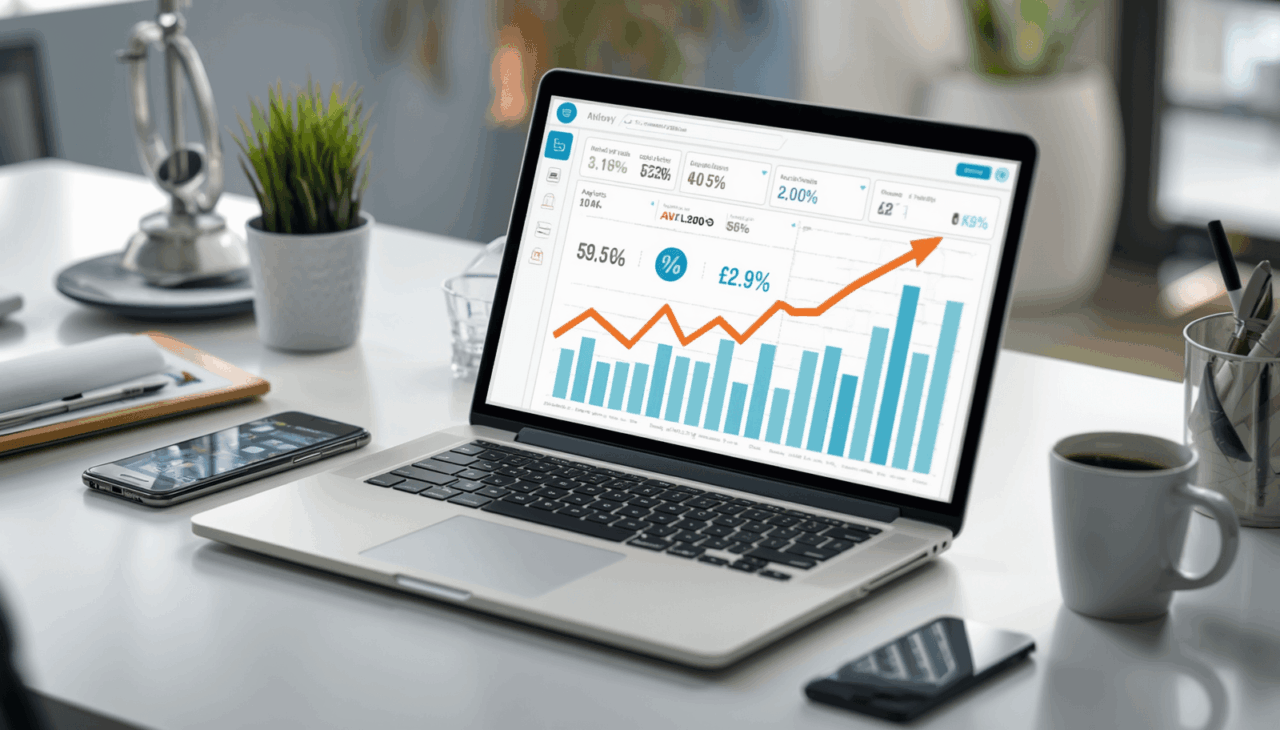
Learn About Ecommerce Content Marketing Agency
An ecommerce content marketing agency helps online stores turn attention into revenue through strategic content creation built for the realities of online retail. As digital shopping becomes the default for more customers, brands face intense competition, rising ad costs, and shorter attention spans. That’s why ecommerce businesses need specialized content marketing that goes beyond generic blog posts or social captions. A focused ecommerce content marketing partners understands product discovery, category-page intent, conversion optimization, and the moments when shoppers hesitate before buying. In today’s digital landscape, customers research across search engines, marketplaces, social platforms, and email before they commit.
With online retail growth accelerating, the brands that win are the ones that educate, reassure, and guide buyers at every step. By combining SEO content, brand storytelling, and customer engagement, an ecommerce content marketing partners builds trust, improves visibility, and supports marketing campaigns that keep sales moving, today and as ecommerce growth continues.
What Is an Ecommerce Content Marketing Agency?
An ecommerce content marketing agency is a specialized partner that plans, creates, and distributes content designed to help online stores attract qualified traffic and convert shoppers into customers. Unlike general agencies that may focus broadly on brand awareness or creative campaigns, an ecommerce content marketing is built around measurable outcomes: product discovery, conversion rates, repeat purchases, and revenue attribution. Their work connects content strategy with the customer journey, from first search to post-purchase retention, so content supports both marketing and sales goals.
Most ecommerce content marketing teams combine SEO content, conversion optimization, and brand storytelling to create assets that rank, persuade, and nurture. They typically handle research (audience, competitors, keywords), content creation (product and editorial), and distribution (email, social, partnerships). Because online retail shoppers compare options quickly, an ecommerce content marketing also prioritizes clarity, trust signals, and customer engagement, helping buyers feel confident about fit, quality, shipping, and returns before they click “Add to cart.”
What makes an ecommerce content marketing partners different is the operational understanding of ecommerce platforms, merchandising, and performance measurement. They know how content supports category pages, product detail pages, collections, and seasonal launches. They also align content with inventory realities and promotional calendars, ensuring marketing campaigns don’t create demand for products that are out of stock. In short, an ecommerce content marketing blends content strategy and digital marketing execution with ecommerce growth goals, so every piece of content has a job: attract, educate, convert, or retain.
Why Your Online Store Needs Content Marketing
Content marketing is one of the most sustainable ways to grow an online store because it builds long-term visibility and trust while reducing reliance on paid ads. When shoppers discover your brand through helpful SEO content, product education, and authentic brand storytelling, they arrive with higher intent and more confidence. Over time, this improves conversion optimization and lowers customer acquisition costs because your store earns traffic instead of renting it. A strong content strategy also supports customer engagement across channels, search, email, social, and even customer support, so your messaging stays consistent as your online retail presence expands.
- Build brand awareness in crowded online retail categories by showing up consistently in search and social discovery.
- Increase customer trust with educational content, transparent policies, and proof points like reviews and testimonials.
- Improve SEO benefits through SEO content that targets commercial and informational keywords across the funnel.
- Drive organic traffic that compounds over time, supporting ecommerce growth even when ad costs rise.
- Reduce customer acquisition costs by converting more first-time visitors and nurturing leads through email marketing.
- Support conversion optimization by answering objections, clarifying product value, and reducing purchase anxiety.
When content creation is planned strategically, it also strengthens your marketing campaigns. A single product launch can be supported by a guide, a comparison article, a how-to tutorial, email sequences, and social snippets, each reinforcing the same value proposition. This integrated approach helps your store stay visible, credible, and persuasive across the full customer journey, not just at the moment you run ads.
Core Services Offered by an Ecommerce Content Marketing Agency
A high-performing ecommerce content marketing agency typically offers a mix of strategic planning and hands-on production. The goal is to create content that ranks, resonates, and converts, while staying aligned with your brand voice, merchandising priorities, and customer expectations. Below are common services you can expect from an ecommerce content marketing partners that understands both content strategy and ecommerce performance.
- Product descriptions and product page copy: benefit-led messaging, scannable formatting, and objection handling to support conversion optimization.
- Category and collection page SEO content: optimized introductions, FAQs, and internal linking to improve rankings and customer engagement.
- Blog and editorial content creation: guides, comparisons, trend pieces, and brand storytelling that attract organic traffic and educate buyers.
- Email marketing: welcome flows, abandoned cart sequences, post-purchase education, and promotional campaigns that increase repeat revenue.
- Social media content: platform-native posts, short-form scripts, and community prompts that build trust and support marketing campaigns.
- Video marketing: product explainers, UGC-style scripts, and tutorial concepts that reduce uncertainty and improve conversions.
- SEO optimization: keyword research, on-page improvements, content briefs, and performance updates to strengthen SEO content over time.
The best ecommerce content marketing partners don’t treat these services as separate deliverables. They connect them into a single system: research informs content strategy, content creation supports the funnel, and distribution ensures each asset reaches the right audience. This is how content becomes a predictable growth lever rather than a collection of disconnected posts.
How Content Marketing Drives Ecommerce Sales
Ecommerce sales rarely happen in a single step. Shoppers move through a journey: awareness, consideration, decision, and retention. An ecommerce content marketing partners maps content to each stage so buyers get the right information at the right time. Early-stage SEO content helps people discover your store when they’re researching problems or exploring options.
Mid-funnel content, like comparisons, buying guides, and product education, builds trust and addresses pain points such as sizing, compatibility, durability, or shipping concerns. At the decision stage, content reinforces confidence with proof, clarity, and urgency without feeling pushy.
Content also reduces cart abandonment by removing friction. Clear FAQs, shipping and returns explanations, and “how it works” content answer questions that otherwise stall purchases. Email marketing content can recover hesitant shoppers with reminders, reassurance, and helpful resources. Over time, this approach improves conversion optimization because your store becomes easier to understand and safer to buy from.
For a broader view of how content influences purchase behavior, see the Content Marketing Institute’s research hub.
Finally, an ecommerce content marketing partners supports retention by creating post-purchase content that helps customers get results, setup guides, care instructions, usage ideas, and cross-sell recommendations. When customers feel supported, they buy again, share feedback, and contribute to customer engagement through reviews and user-generated content. That’s how content marketing drives not only first-time sales, but also customer lifetime value and sustainable ecommerce growth.
Content Types That Convert for Ecommerce
An ecommerce content marketing agency chooses formats based on intent. Some content is designed to rank and educate, while other content is built to remove objections and push decisions forward. The following content types are commonly used in high-performing online retail content strategy because they support both discovery and conversion optimization.
- Product guides and buying guides that help shoppers choose the right option for their needs and budget.
- Comparison articles (brand vs. brand, model vs. model) that clarify differences and reduce decision fatigue.
- How-to content and tutorials that show real use cases, improve confidence, and reduce returns.
- User-generated content (UGC) prompts and campaigns that encourage authentic photos, videos, and stories.
- Reviews and testimonials content that highlights outcomes, addresses skepticism, and strengthens trust signals.
- Email sequences that educate, nurture, and re-engage customers based on behavior and purchase history.
Choosing the Right Ecommerce Content Marketing Agency
Choosing an ecommerce content marketing agency is a strategic decision because the right partner becomes an extension of your team. Start by looking for industry experience in your category and proof that the agency understands online retail buying behavior.
Review their portfolio for SEO content quality, brand storytelling, and clarity in product messaging. Ask how they build a content strategy: do they start with audience research, keyword mapping, and funnel planning, or do they jump straight into content creation? Measurement matters too, your ecommerce content marketing partners should be able to connect content performance to traffic, engagement, and conversions, not just impressions.
Also consider pricing models and working style. Some teams offer retainers with a monthly content calendar, while others price per deliverable or per project. A strong ecommerce content marketing partners will explain what’s included (strategy, writing, editing, SEO optimization, publishing support) and how quickly you can expect meaningful results. The best fit is the one that matches your growth stage, internal resources, and the pace of your marketing campaigns.
If you’re evaluating potential partners, you can explore options like CLava VA as part of your research process for finding a reliable agency fit.
Key Questions to Ask Before Hiring
- What ecommerce categories have you worked in, and what results did you achieve?
- How do you define success for an ecommerce content marketing agency engagement, traffic, revenue, conversion optimization, or all of the above?
- What is your process for content strategy, keyword research, and content creation approvals?
- How do you handle SEO content updates and ongoing optimization after publishing?
- What reporting do you provide, and how often will we review performance and next steps?
- Who will be on our account (strategist, writer, editor, SEO specialist), and how do we communicate?
Content Strategy for Ecommerce Success
A scalable content strategy starts with understanding your audience and the questions they ask before buying. An ecommerce content marketing agency will typically build personas, map intent across the funnel, and create a keyword strategy that balances informational queries with commercial terms. From there, they develop a content calendar that aligns with seasonality, product launches, and inventory priorities, so content supports real revenue opportunities.
Distribution is equally important: SEO content drives long-term discovery, email marketing nurtures subscribers, and social content fuels customer engagement and brand storytelling. If you want a broader, integrated approach that connects content with digital marketing execution, resources like CLava VA Digital Marketing Services can be useful when evaluating comprehensive support options.
The most effective ecommerce content marketing partners programs treat content as a system. Each asset is repurposed across channels, internally linked for SEO, and measured for conversion optimization impact. This consistency strengthens your online retail presence and supports ecommerce growth even as platforms and algorithms change.
Measuring Content Marketing ROI
Measuring ROI requires connecting content performance to business outcomes. An ecommerce content marketing partners will track top-of-funnel metrics like organic traffic, keyword rankings, and reach, but they should also monitor engagement signals such as time on page, scroll depth, email click-through rates, and returning visitors.
For conversion optimization, look at add-to-cart rate, checkout completion rate, assisted conversions, and revenue per session. Over the long term, customer lifetime value and repeat purchase rate show whether content is attracting the right buyers and supporting retention. The most advanced measurement ties revenue attribution to specific content pieces and customer journeys, helping you invest more in what drives profitable ecommerce growth.
Common Challenges and Solutions
Ecommerce brands often struggle with inconsistent publishing, unclear differentiation, and content that attracts traffic but doesn’t convert. Another common issue is producing content creation at scale without losing quality or brand voice. An ecommerce content marketing agency solves these problems by building a repeatable content strategy, creating clear briefs, and aligning SEO content with conversion optimization goals. They also streamline workflows, research, writing, editing, and distribution, so marketing campaigns stay on schedule.
When performance stalls, the agency can refresh existing content, improve internal linking, and strengthen trust elements like FAQs, reviews, and product education to support customer engagement and ecommerce growth.
Frequently Asked Questions
Q: What does an ecommerce content marketing agency do?
A: An ecommerce content marketing agency plans and produces content that helps online stores attract qualified traffic, educate shoppers, and increase conversions. This often includes SEO content, product messaging, email marketing, and content distribution across key channels.
Q: How much does an ecommerce content marketing agency cost?
A: Pricing varies by scope, deliverables, and expertise. Some agencies work on monthly retainers, while others charge per project. Costs typically reflect strategy time, content creation volume, SEO optimization, and reporting depth.
Q: How long does it take to see results?
A: Many stores see early engagement improvements within weeks, but meaningful SEO content gains often take 3–6 months. Conversion optimization improvements can happen faster when product pages, emails, and FAQs are updated strategically.
Q: Will content marketing replace paid ads?
A: Content marketing usually complements paid ads rather than replacing them. A strong content strategy reduces dependence on ads over time by increasing organic traffic and improving customer trust, which can lower acquisition costs.
Q: What content should an online store prioritize first?
A: Most ecommerce content marketing agency teams start with high-impact pages: product descriptions, category pages, and a small set of buying guides or comparisons that match high-intent keywords. Email flows like welcome and abandoned cart are also common early wins.
Q: How do agencies measure success?
A: Success is measured through traffic growth, engagement, rankings, conversion rates, assisted revenue, and customer lifetime value. The best programs connect content performance to revenue attribution and ecommerce growth goals.
Conclusion
Working with an ecommerce content marketing agency gives your online store a structured way to grow visibility, trust, and sales without relying solely on paid traffic. With the right mix of content strategy, SEO content, and conversion optimization, your brand can meet customers earlier in their research, guide them through confident decisions, and keep them engaged after purchase. The result is stronger customer engagement, more efficient marketing campaigns, and a content engine that compounds over time.
If you’re serious about competing in online retail, partnering with an ecommerce content marketing agency can help you build a consistent publishing rhythm, sharpen your messaging, and measure what truly drives revenue. As ecommerce growth continues and shoppers become more selective, the brands that invest in helpful, persuasive content creation will be the ones that earn attention, and keep it.