
Do Rich Snippets Help SEO?
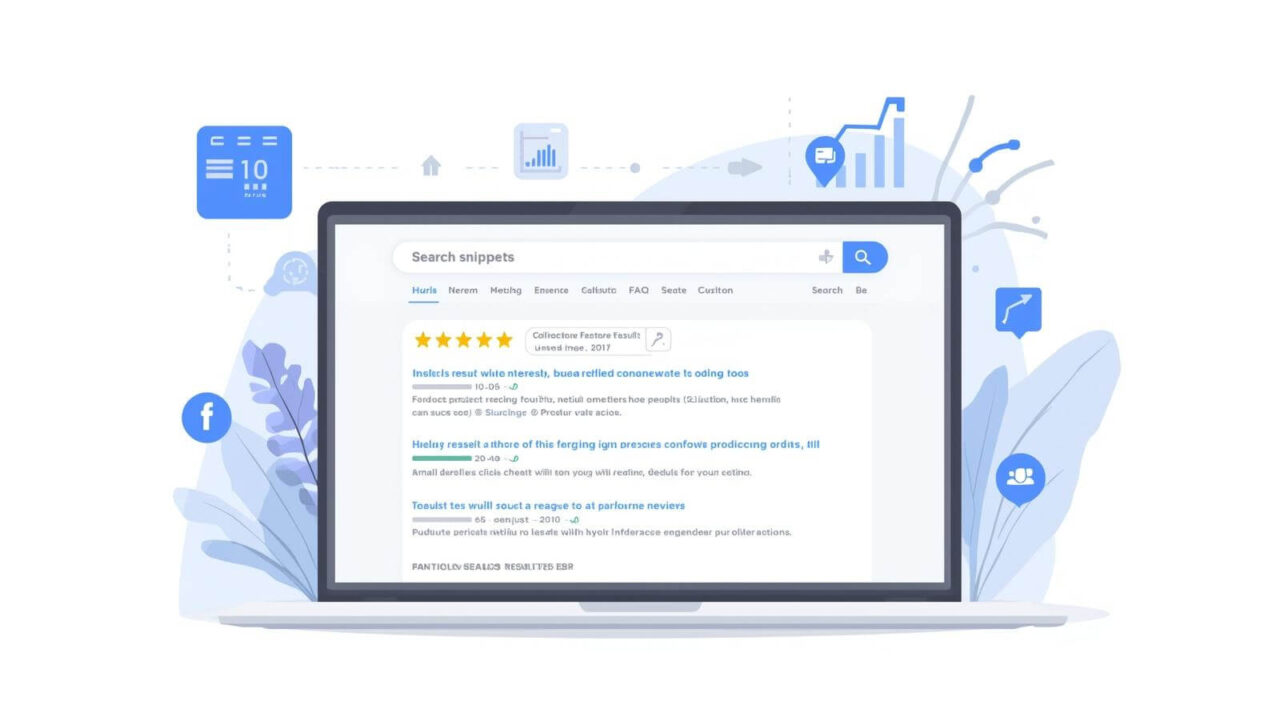
Do rich snippets help SEO is a question many website owners, marketers, and business leaders ask as search results become more competitive and visually dynamic. With Google constantly evolving how results appear, traditional blue links are no longer enough to capture attention. Rich snippets enhance standard search listings by displaying additional information such as ratings, prices, FAQs, images, and more. Understanding whether do rich snippets help SEO can directly impact your organic traffic, click-through rate, and overall search performance.
This in-depth guide explains do rich snippets help SEO, how rich snippets work, their indirect ranking impact, and how to implement them correctly as part of a modern SEO strategy.
Do Rich Snippets Help SEO and What Are They
Do rich snippets help SEO begins with understanding what rich snippets are. Rich snippets are enhanced search results that display additional data extracted from structured markup on a webpage. Instead of showing only a title, URL, and meta description, rich snippets may include review stars, pricing, availability, FAQs, images, and event details.
These enhanced results rely on structured data defined by the Schema.org vocabulary, which helps search engines interpret content more accurately. Google uses this data to determine eligibility for rich results, as outlined in its official documentation on structured data from Google Search Central.
When evaluating do rich snippets help SEO, it is important to understand that structured data does not guarantee rich snippets will appear, but it significantly improves eligibility.
Do Rich Snippets Help SEO in Terms of Rankings
Do rich snippets help SEO in rankings is often misunderstood. Rich snippets are not a direct ranking factor. Google has clearly stated that structured data alone does not increase rankings, which is explained in Google’s ranking systems overview.
However, do rich snippets help SEO indirectly. Rich snippets increase visibility and improve click-through rates, which leads to higher organic traffic and stronger engagement signals. Over time, these positive user interactions support long-term SEO performance.
Search engines prioritize pages that satisfy search intent. When users consistently click and engage with your listing, it reinforces relevance and quality signals.
Do Rich Snippets Help SEO by Improving Click-Through Rates
Do rich snippets help SEO most noticeably through higher click-through rates. Rich snippets visually enhance listings and provide immediate value to users scanning search results.
They help because:
- Star ratings instantly establish trust
- Prices and availability reduce friction for buyers
- FAQ snippets answer questions before the click
- Images draw attention in competitive SERPs
Research from industry studies cited by Moz shows that enhanced search results can significantly outperform standard listings in CTR, especially for transactional and informational queries.
Types of Rich Snippets That Help SEO
Do rich snippets help SEO differently depending on content type and intent.
1.Product Rich Snippets
Product rich snippets display essential ecommerce details such as pricing, availability, product images, and customer reviews directly in search results. These snippets help users make faster buying decisions and attract high-intent traffic. For ecommerce and service-based websites, product rich snippets improve visibility, build trust, and increase click-through rates from transactional searches.
2.Review and Rating Snippets
Review and rating snippets show star ratings and total review counts within search listings, instantly signaling credibility and social proof. These snippets are highly effective for service providers, SaaS tools, and professional offerings, as users often rely on reviews before clicking. Higher trust and visual appeal lead to improved engagement and stronger organic performance.
3.FAQ Rich Snippets
FAQ rich snippets expand your search listing by displaying multiple questions and answers beneath the main result. This format helps capture more SERP space and pushes competitors lower on the page. According to Google’s FAQ structured data guidelines, all answers must accurately reflect visible on-page content to remain eligible for rich results.
4.Recipe Rich Snippets
Recipe rich snippets enhance search results with images, preparation time, calorie information, and ratings. These visually rich listings dominate search results and attract highly engaged users who are actively searching for cooking instructions. Recipe snippets improve click-through rates and user satisfaction by clearly presenting key information before users visit the page.
5.Event Rich Snippets
Event rich snippets highlight important details such as event dates, times, locations, and ticket availability directly in search results. These snippets help users quickly identify relevant events without additional searching. Event rich snippets are especially valuable for organizers and venues, as they improve visibility, accuracy, and engagement for time-sensitive queries.
Do Rich Snippets Help SEO for User Experience
Do rich snippets help SEO by improving user experience before and after the click. Users can preview key information in search results, which sets accurate expectations.
This alignment improves engagement metrics such as time on page and reduces bounce rates. While not direct ranking factors, Google emphasizes user satisfaction in its Search Quality Evaluator Guidelines.
How Structured Data Supports Rich Snippets
Do rich snippets help SEO only when structured data is implemented correctly. Structured data provides explicit signals that describe your content to search engines.
Google recommends JSON-LD format because it is easier to maintain and less prone to errors. You can validate your implementation using the Rich Results Test tool provided by Google.
Monitoring structured data performance in Google Search Console helps identify eligibility issues and errors that prevent rich snippets from appearing.
Do Rich Snippets Help SEO for Brand Authority
Do rich snippets help SEO by building brand authority. Enhanced listings appear more professional and credible, especially when they include ratings, FAQs, or detailed information.
Repeated exposure to rich snippets increases brand recognition and trust, leading to more branded searches and higher conversion rates over time.
Common Mistakes That Prevent Rich Snippets
Do rich snippets help SEO only when best practices are followed. Common implementation mistakes include:
- Marking up content that is not visible to users
- Using incorrect schema types
- Adding misleading or exaggerated structured data
- Ignoring validation errors
- Failing to update schema when content changes
Google may remove eligibility or issue manual actions if structured data policies are violated.
Do Rich Snippets Help SEO Compared to Featured Snippets
Do rich snippets help SEO differently from featured snippets. Rich snippets enhance standard organic listings, while featured snippets appear above results in a special box.
According to Ahrefs’ analysis of featured snippets, both features can coexist in a strong SEO strategy. Rich snippets improve CTR, while featured snippets maximize visibility for informational queries.
How to Implement Rich Snippets Correctly
Do rich snippets help SEO when implemented with care and accuracy:
- Choose schema types aligned with content intent
- Use JSON-LD structured data
- Match schema data to visible content
- Validate using Google testing tools
- Monitor enhancements in Search Console
Consistent updates and compliance increase long-term eligibility.
Do Rich Snippets Help SEO for Business Websites
Do rich snippets help SEO for service-based and professional websites by improving trust and visibility. FAQ, organization, and review schema are especially effective for career-focused platforms.
Internal resources such as Vame.ph can be naturally linked within content discussing virtual assistance, outsourcing, and digital careers, while career opportunities can be supported through the Vame.ph career page, strengthening internal linking and topical authority.
Do Rich Snippets Help SEO in Competitive Niches
Do rich snippets help SEO significantly in competitive SERPs where many pages target the same keywords. Enhanced listings attract attention even when rankings are similar.
In crowded search results, rich snippets often determine which listing earns the click.
External Resources Supporting Rich Snippets SEO
Authoritative outbound resources strengthen content credibility and provide deeper context. Industry-leading references include:
- Google Search Central structured data guidelines
- Schema.org structured vocabulary
- Moz research on CTR and SERP features
- Ahrefs studies on search behavior
Linking to these trusted sources improves topical depth and supports SEO best practices.
Do Rich Snippets Help SEO Long Term
Do rich snippets help SEO long term by aligning content with search engine priorities: clarity, relevance, and user satisfaction. While they do not replace content quality or backlinks, they amplify the impact of existing SEO efforts.
Websites that consistently implement structured data correctly are better positioned for evolving SERP features and future algorithm updates.
Frequently Asked Questions About Rich Snippets and SEO
Q1: Do rich snippets help SEO rankings directly
Do rich snippets help SEO indirectly, not directly. They increase click-through rates and engagement, which support long-term SEO performance.
Q2: Are rich snippets guaranteed to appear
No. Even with correct structured data, search engines decide when and where rich snippets appear.
Q3: Can rich snippets hurt SEO
Improper or misleading structured data can result in loss of eligibility or manual actions.
Q4: How long does it take for rich snippets to show
It may take days or weeks after implementation, depending on crawl frequency and validation.
Q5: Do rich snippets help SEO for small websites
Yes. Small websites can compete more effectively by improving visibility and click-through rates.
Final Thoughts on Do Rich Snippets Help SEO
Do rich snippets help SEO by improving visibility, trust, and user engagement across search results. While they are not a direct ranking factor, their ability to enhance click-through rates and strengthen brand presence makes them a powerful SEO advantage for businesses aiming to stand out in competitive SERPs.
When combined with high-quality content, strategic internal linking, and authoritative outbound references, rich snippets support sustainable organic growth and long-term search performance. Businesses offering digital services, outsourcing, or virtual support can further reinforce topical authority by connecting users to relevant resources such as CLAVA-VA service insights and the CLAVA-VA page for professional opportunities, improving both crawlability and user experience.